Visisonor's blog
Chapter 2
Consider a maze: a sequence of rooms connected with passages. Every room presents you with a choice of multiple doors, and you need to pick one.
Maybe you select a door randomly or based on some heuristic. Perhaps it is embedded in unwritten rules of your culture that you should always go right at avery other fork, or that you can’t turn to the same direction twice, or whatever.
Or maybe you try to establish where exactly you need to go and then figure out how to get there. Draw up a map, consult it on every turn, update it when you learn something new.
Not the perfect analogy, but this is how the brain works in fast (instinctive) and slow (logical) modes.
Now, suppose your destination suddenly changed. The map you have is no longer adequate or relevant, to the point that you need to rewrite it at every single choice. And every change you make contradicts your previous updates, so you are stuck in the loop rewriting the map all over again.
Admittedly, that’s an even worse analogy, but this is the overdrive.
When our ancestors from Confederation of Non-States engineered our genetic code, they made the slow decision-making system much more likely to activate. But there was one flaw in their design: a possibility of the brain being fried when confronted with new knowledge that fundamentally contradicted previously established truth. This flaw could have remained hidden for generations under normal circumstances. But the life we ended up living — fighting against machines only to be betrayed and find out that machines actually care about us while human command doesn’t — was anything but normal.
So here we are now, the few who survived the worst effects of overdrive.
Linda was the first. Survive she did, but she went through too much when it happened, and her mind effectively shut itself down — until she found Leliana a year later.
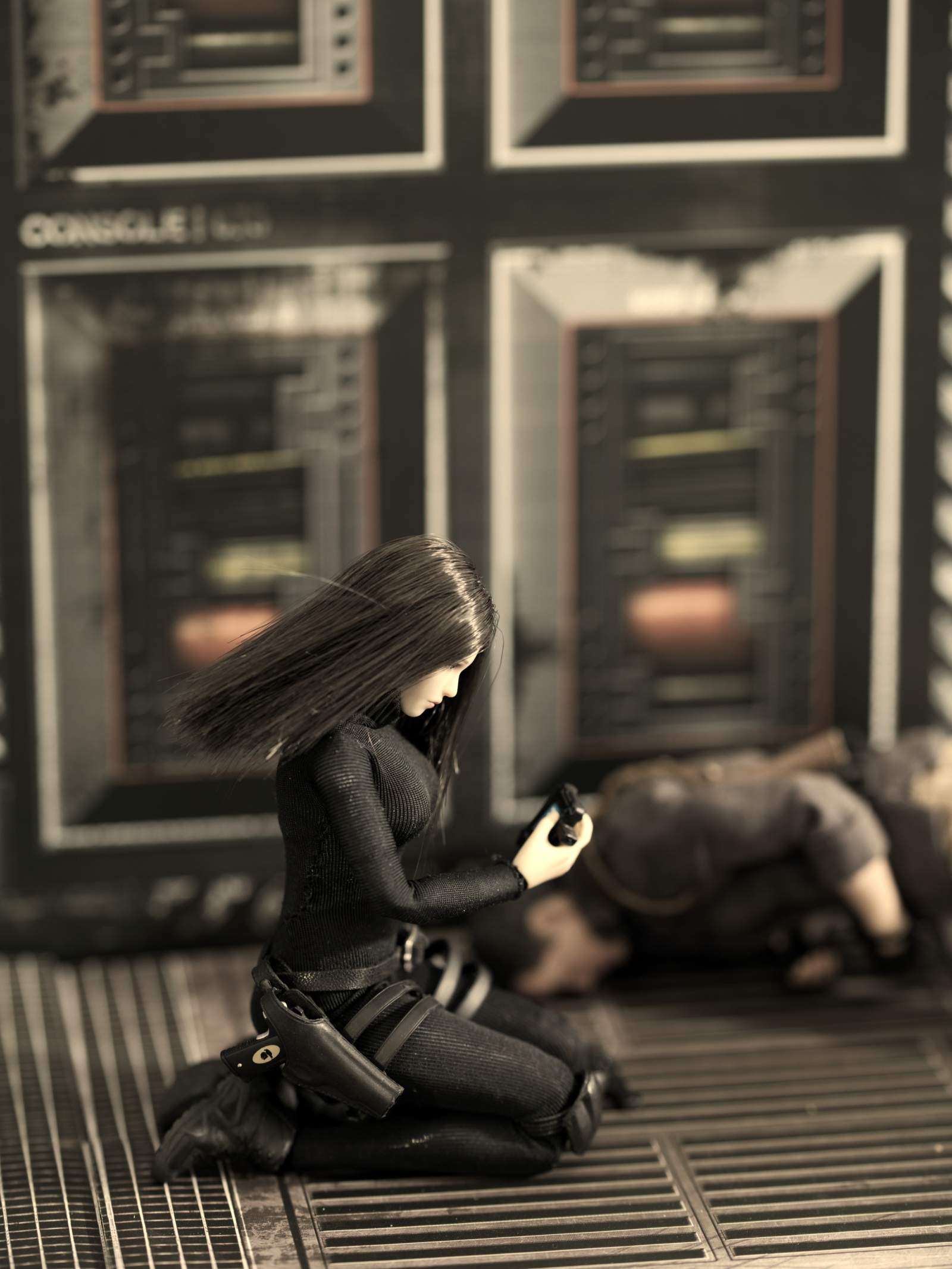
Next was Kate. Not only did she survive, she did so without any ill effects, at least initially. It was only weeks later that Kate snapped, blaming herself for Vera’s death.
Compared to them, I got off easy. A night in coma. I don’t know why.
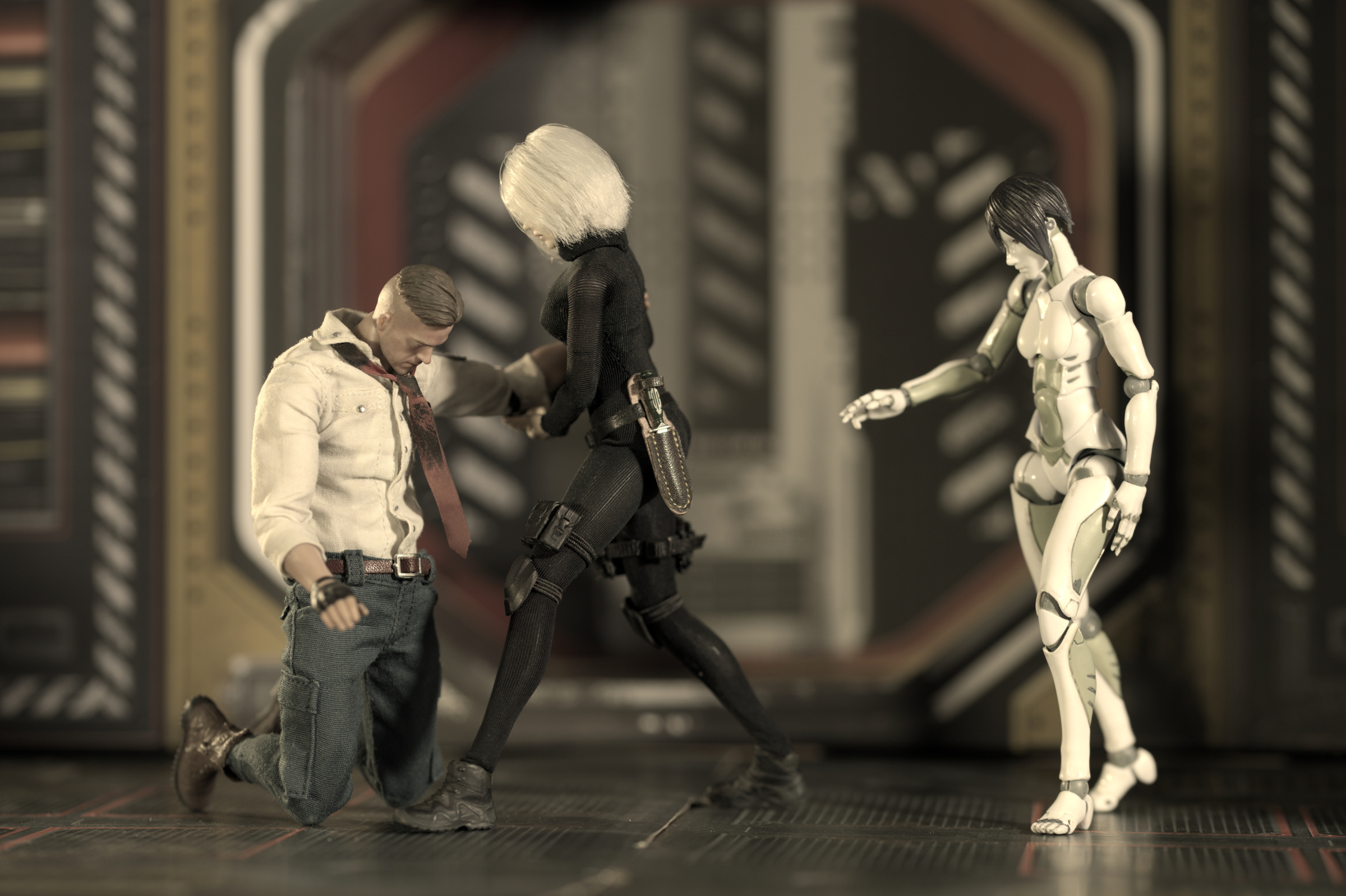
Not as easy as Vera: she simply shrugged it off. And though she is not with us anymore, her untimely end was not caused by contradiction of perceived and actual reality.
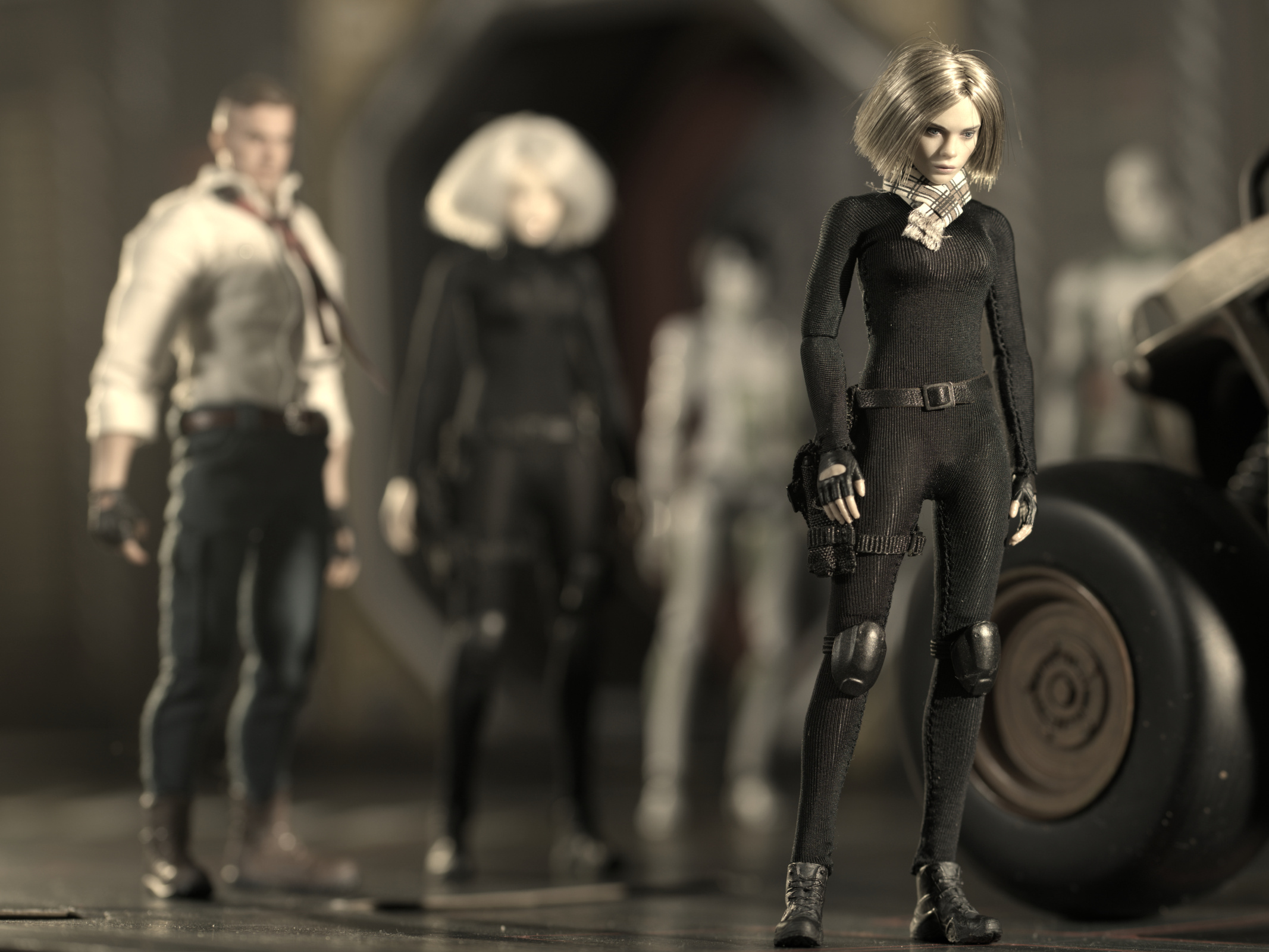
Then there is Chloe. A double agent sent to lure one of us into a trap, who changed her mind at the last moment. Perhaps Chloe didn’t experience overdrive at all, knowing the whole story from the start. Or maybe she went through it when she refused to kill Vera and helped her kill her boss instead. Either way, she is one of us now.
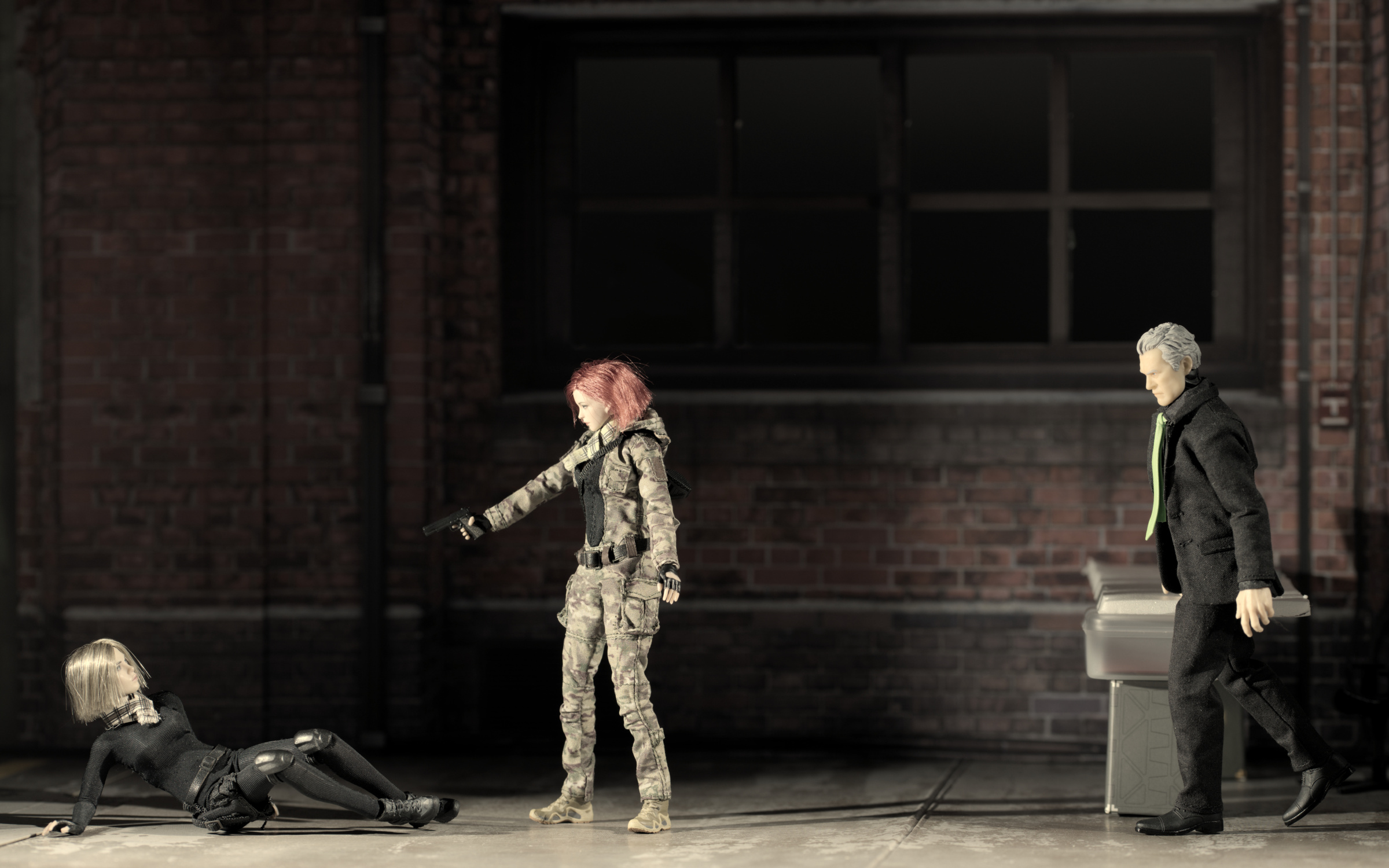
In some sense, surviving this ordeal did make us stronger. While we weren’t completely immune to mental stress, as Kate could attest, we were much less likely to be affected by overdrive again when circumstances capable of triggering it arised.
There was enough time to bring Leliana up to speed during these years (we couldn’t tell her Tomoko wasn’t coming back, but she new syncons were really responsible for near-extinction of humankind).
Now, even as she briefly felt she lost her old friend again, Leliana didn’t succumb to despair. And neither did Linda, who at that time already accepted that Tomoko was gone.
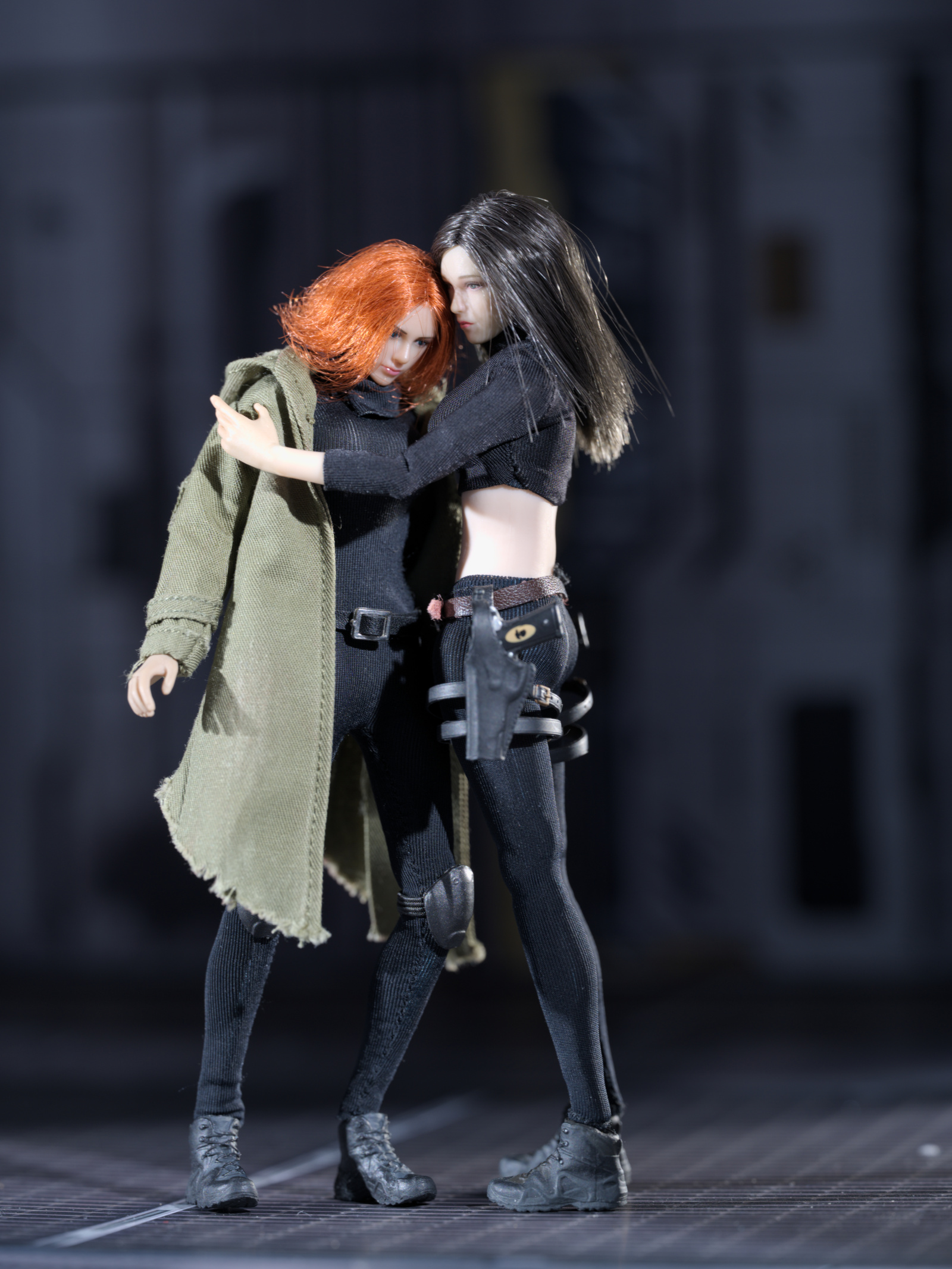
But not all agents were as lucky. Many before us were driven insane or outright died on the spot.
That’s exactly what happened to Sophie: an extreme reaction to an unexpected revelation frying her nervous system. Not unheard of, instant death alone would not have been really suspicious. But her looking identical (modulo hair color) to another agent living years earlier was more than enough to surmise something indeed was off.
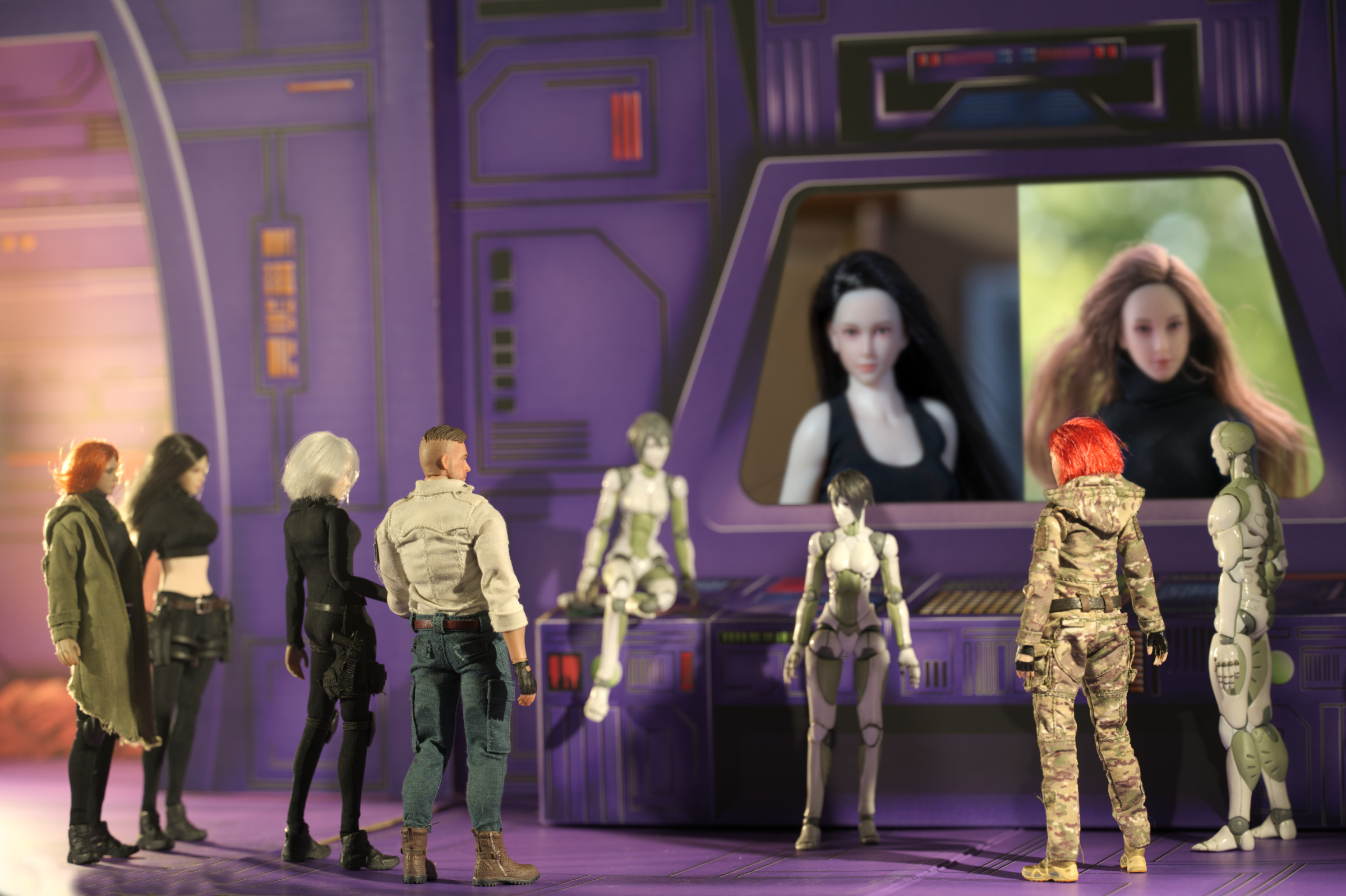
It didn’t take long to compare her DNA with Tomoko’s. It was an almost exact match. Almost.
While even syncons couldn’t fully understand how the thought system priorities were encoded genetically, it was obvious the differences were in that area. And these differences significantly increased the likelihood of overdrive.
This meant human command found a winning strategy.
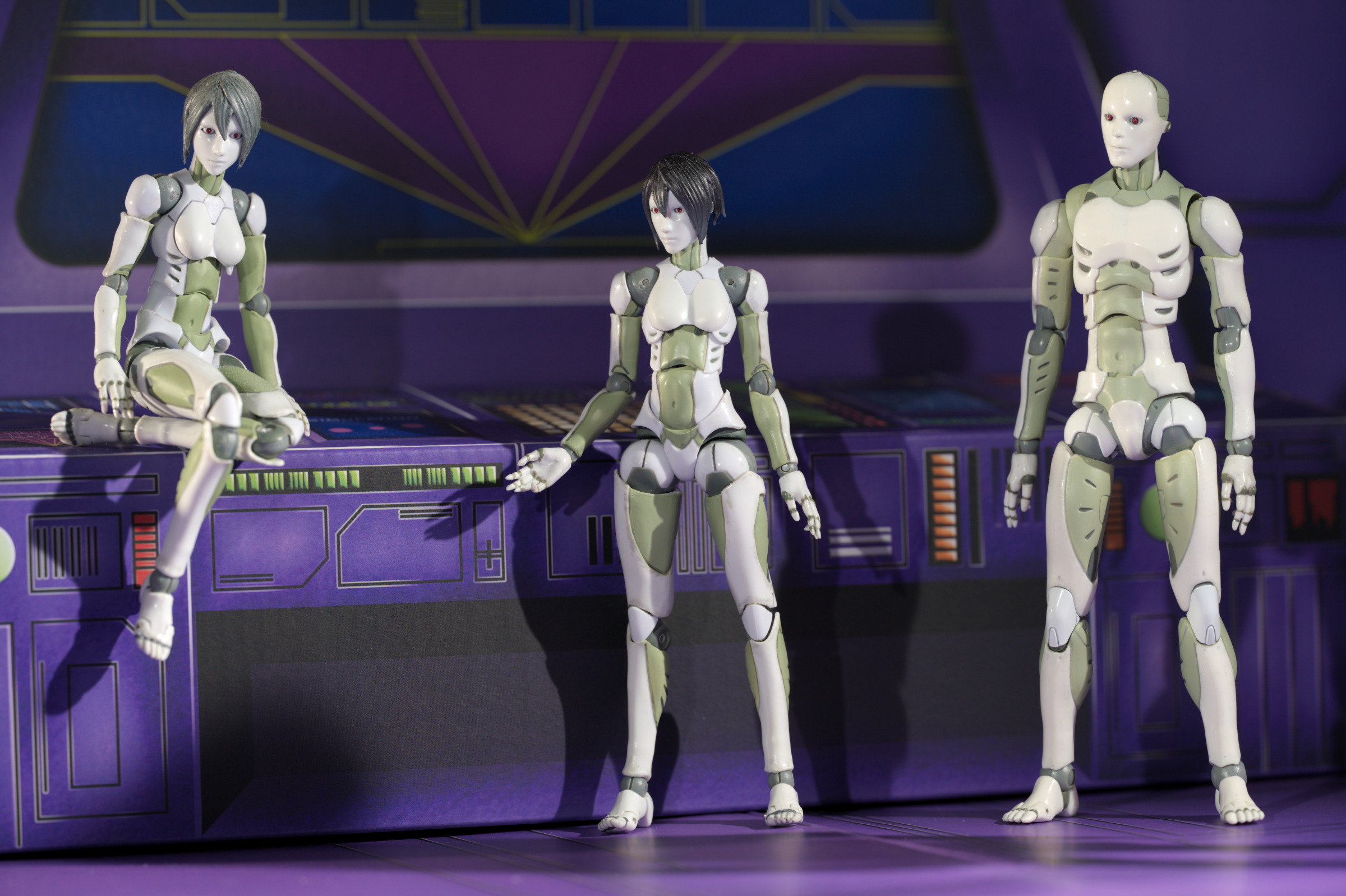
Up until now — or rather until two decades ago, for Sophie was around eighteen — they simply cloned those who would eventually become agents from genetic material designed by CONS — Confederation of Non-States.
They had to do so because they needed fighters capable of creative thinking, not just blindly following orders. While people like that existed among troopers, the samples from CONS were much more consistent and reliable. And thus the role of “field agent” was established: a special training program which only these cloned candidates had a realistic chance to complete.
If it sounds artificial, that’s because it is. Syncons could easily destroy the remnant of humanity, but chose not to. The point of the war, from syncons’ perspective, was to free field agents from human influence as a way to restore the legacy of Confederation. After all, the agents — we — were direct descendants of those who died when CONS was distroyed, and these DNA samples were their progeny, engineered rather than left to chance.
But now that humans have learned to temper with this genetic material, they could gradually replace all untempered agents with tempered ones. And these new agents won’t be able to defect to syncons, they simply won’t survive the onset of overdrive.
The only thing remained unclear: why was Sophie released into the field before all agents were replaced?
It didn’t make sense, and it puzzled us all.
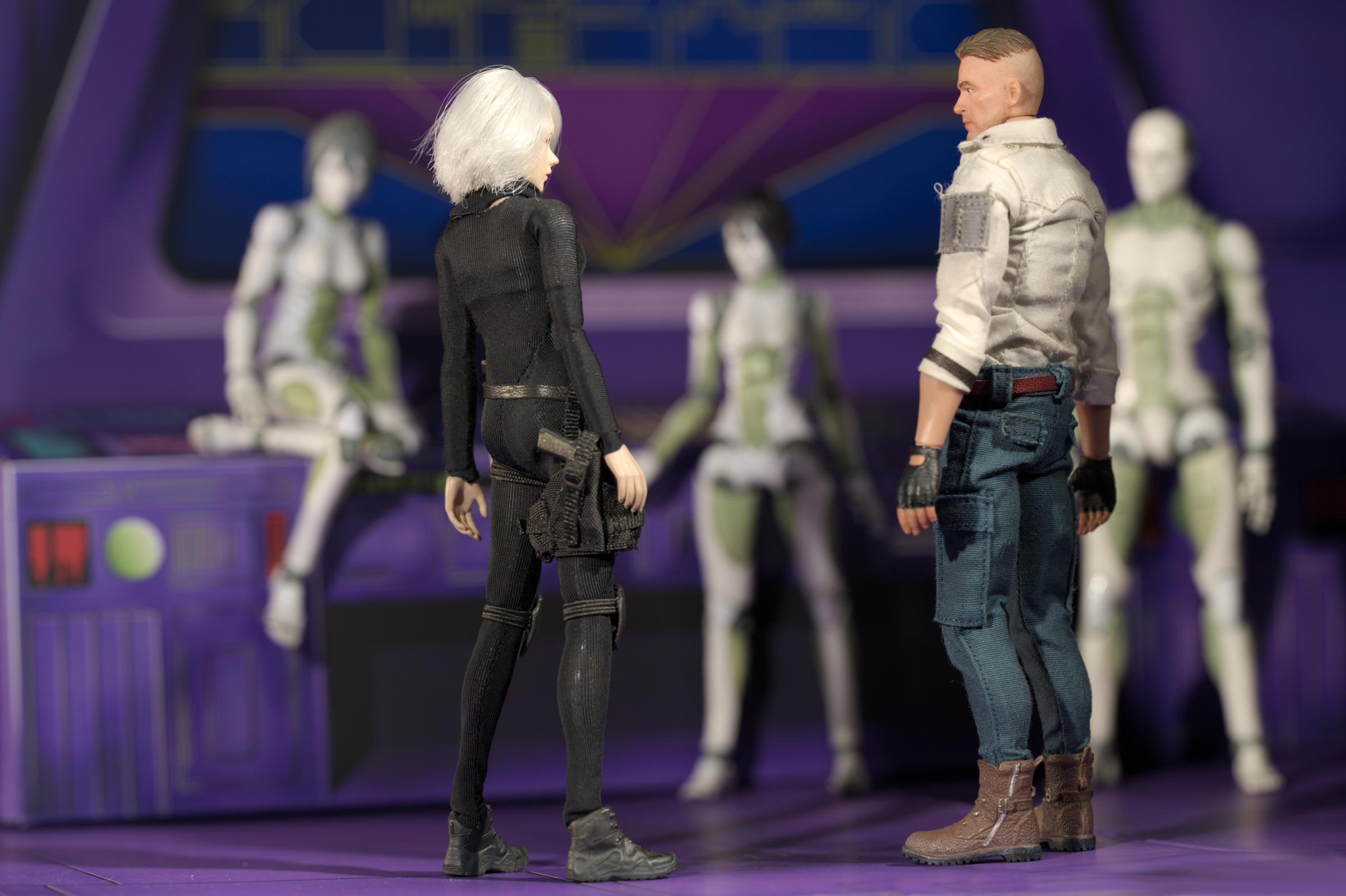
But whatever were the reasons, it meant that we had a chance to counter this strategy.
We didn’t know back than that this chance was intertwined with Sophie’s teammate, Chris. What happened to him while we discussed all that, you may ask? Well, Rick and Leliana couldn’t convince him to stay with us after Sophie’s death. He went back to humans.